Gravel Calculator Guide: Complete Driveway & Pathway Planning 2025
Master gravel calculations with our comprehensive guide. Learn precise coverage formulas, gravel types, depth requirements, and professional installation techniques for durable driveways and stunning pathways.
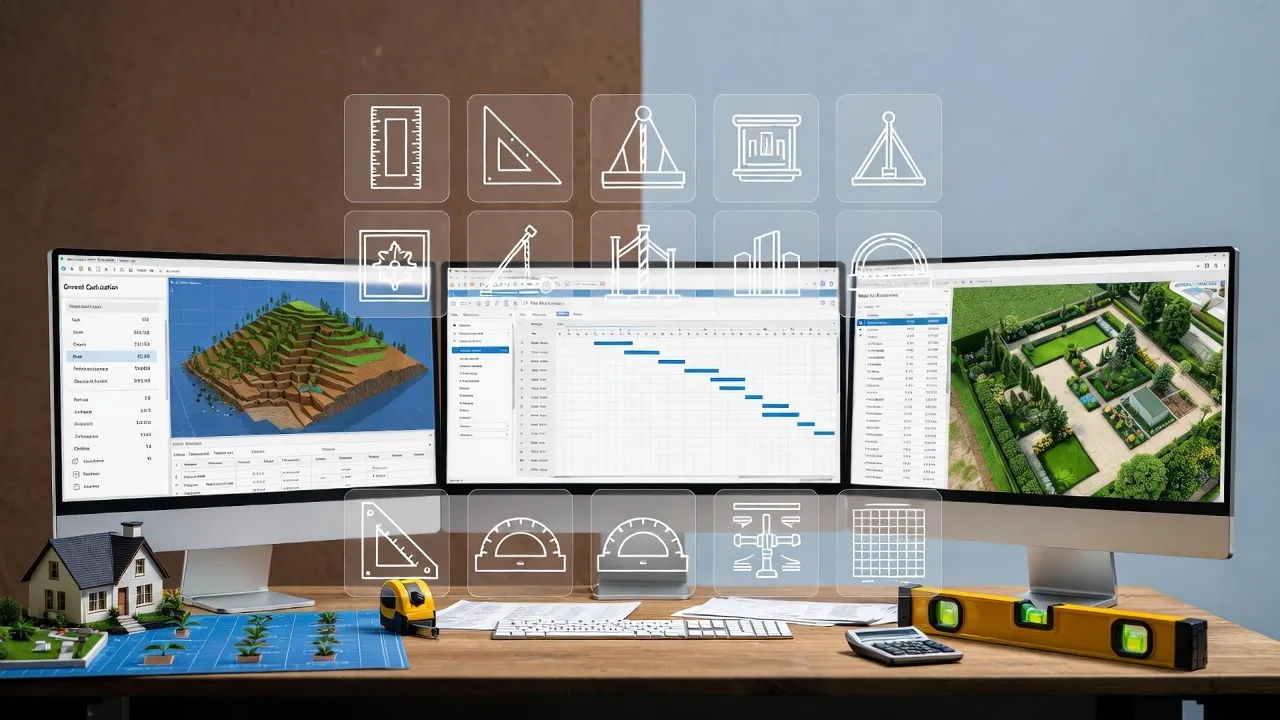
Why Accurate Gravel Calculations Are Critical for Project Success
Proper gravel calculation ensures durable driveways, stable pathways, and cost-effective projects. Under-ordering delays work and increases delivery costs, while over-ordering wastes hundreds of dollars. In 2025, with gravel averaging $25-45 per ton delivered, precision saves significant money on large projects.
Our Gravel Calculator provides instant tonnage and coverage estimates for any driveway, pathway, or landscaping project.
How to Calculate Gravel for Driveways and Pathways
Follow this professional method to determine exact gravel requirements:
Step-by-Step Gravel Calculation:
1. Measure Your Project Area
- Rectangular areas: Length × Width = Square footage
- Curved driveways: Break into sections and add totals
- Irregular pathways: Use average width × total length
- Parking areas: Include turning radius and overflow space
2. Determine Required Gravel Depth
- Foot traffic paths: 1-2 inches
- Light vehicle use: 2-3 inches
- Regular car driveways: 3-4 inches
- Heavy vehicle access: 4-6 inches
3. Apply the Gravel Volume Formula
Volume Calculations:
Area (sq ft) × Depth (inches) ÷ 12 = Cubic feet
Cubic feet ÷ 27 = Cubic yards
Cubic yards × 1.6 = Tons (approximate)
Driveway Example
Dimensions: 60 ft × 12 ft = 720 sq ft
Depth: 3 inches
Volume: 720 × 3 ÷ 12 = 180 cu ft
Cubic yards: 180 ÷ 27 = 6.7 cu yd
Tonnage: 6.7 × 1.6 = 10.7 tons
Quick Reference
100 sq ft at 3" = 1.4 tons
500 sq ft at 3" = 7.0 tons
1000 sq ft at 3" = 14.0 tons
Types of Gravel and Their Applications
Choosing the right gravel type is essential for project success and longevity:
Crushed Stone Options
- 3/4" Crushed Stone: Best for driveways, excellent compaction
- 1/2" Crushed Gravel: Medium traffic, decorative applications
- 3/8" Chip Stone: Walking paths, light vehicle use
- 1" Road Base: Heavy-duty driveways, commercial use
- Crusher Run: Base layer, maximum stability
Natural Gravel Types
- Pea Gravel: Decorative paths, drainage applications
- River Rock: Landscaping, drainage, dry creek beds
- Beach Pebbles: Garden accents, water features
- Decomposed Granite: Natural paths, compacts well
- Quarry Process: Durable base, all-weather surface
| Gravel Type | Size | Weight (lbs/cu yd) | Best Application | Cost Range |
|---|---|---|---|---|
| 3/4" Crushed Stone | 0.75 inches | 2,800-3,000 | Driveways | $25-35/ton |
| Pea Gravel | 0.25 inches | 2,600-2,800 | Pathways | $30-40/ton |
| Crusher Run | 0-2 inches | 3,000-3,200 | Base layer | $20-30/ton |
| River Rock | 1-3 inches | 2,500-2,700 | Decorative | $40-60/ton |
Driveway Gravel Requirements by Usage
Different usage patterns require specific gravel specifications:
Light Use Driveways
- Traffic: 1-2 cars daily
- Depth: 2-3 inches
- Material: 3/4" crushed stone
- Base: Optional for stable soil
- Cost: $1.50-2.50/sq ft
Standard Driveways
- Traffic: 2-4 cars daily
- Depth: 3-4 inches
- Material: 3/4" crushed stone
- Base: 2" crusher run recommended
- Cost: $2.50-4.00/sq ft
Heavy Duty Driveways
- Traffic: Multiple vehicles, trucks
- Depth: 4-6 inches
- Material: 1" road base stone
- Base: 4" crusher run required
- Cost: $4.00-6.50/sq ft
Pathway and Landscaping Gravel Calculations
Different applications require specific calculations and considerations:
Garden Path Requirements
| Path Type | Width | Depth | Material | Coverage/100 ft |
|---|---|---|---|---|
| Walking path | 3-4 feet | 1-2 inches | Pea gravel | 1.5-2.0 tons |
| Main pathway | 4-5 feet | 2-3 inches | 3/8" stone | 2.5-3.5 tons |
| Utility access | 6-8 feet | 3-4 inches | 3/4" crushed | 5.0-7.0 tons |
Drainage and French Drain Calculations
French Drain Formula:
- Trench dimensions: 18" wide × 24" deep (typical)
- Gravel depth: 6" below pipe + 6" above pipe
- Material: 3/4" washed stone for best drainage
- Coverage: 100 linear feet = 6.7 cubic yards
Professional Installation Techniques
Proper installation ensures long-lasting, low-maintenance results:
Site Preparation Steps
1. Excavation
Remove vegetation, topsoil, and soft materials. Grade for 2% slope away from structures for proper drainage.
2. Base Preparation
Compact existing soil. Install geotextile fabric to prevent gravel migration in soft soil areas.
3. Gravel Installation
Install in 2-inch lifts, compacting each layer. Use proper edge restraints for pathway definition.
Common Installation Mistakes to Avoid
- Insufficient Compaction: Compact every 2-inch layer - prevents settling and ruts
- Wrong Grade: Maintain 2% slope for drainage - prevents water pooling
- No Edge Restraint: Install borders to prevent gravel migration
- Skipping Fabric: Use geotextile in soft soil areas to prevent mixing
- Inadequate Depth: Follow depth guidelines - thin layers fail quickly
Cost Estimation and Budget Planning
Understanding all project costs helps plan realistic budgets:
Complete Cost Breakdown:
Material Costs (per ton)
- Crushed Stone: $25-35
- Pea Gravel: $30-40
- River Rock: $40-60
- Specialty Gravel: $50-80
Additional Costs
- Delivery: $50-150
- Excavation: $3-5/sq ft
- Geotextile: $0.50-1.00/sq ft
- Compaction: $2-4/sq ft
| Project Size | Material Cost | Labor Cost | Total Budget | DIY Savings |
|---|---|---|---|---|
| 500 sq ft driveway | $175-245 | $750-1,500 | $925-1,745 | $750-1,500 |
| 1000 sq ft driveway | $350-490 | $1,500-3,000 | $1,850-3,490 | $1,500-3,000 |
| 200 ft pathway | $150-250 | $400-800 | $550-1,050 | $400-800 |
Money-Saving Tips
- Bulk Orders: Buy 10+ tons for wholesale pricing (15-25% savings)
- Off-Season: Order in late fall/winter for 10-15% discounts
- Local Suppliers: Quarries often beat retail prices by 20-30%
- Group Orders: Coordinate with neighbors for delivery savings
Maintenance and Longevity Tips
Proper maintenance extends gravel surface life and reduces long-term costs:
Annual Maintenance
- Rake and redistribute gravel monthly
- Fill ruts and low spots immediately
- Add 10-15% new gravel annually
- Edge maintenance twice yearly
- Weed control as needed
Long-term Care
- Re-compact every 2-3 years
- Crown reshaping after heavy rains
- Drainage ditch cleaning annually
- Border repair and replacement
- Consider sealant for dust control
Frequently Asked Questions
Ready to Calculate Your Gravel?
Use our professional gravel calculator for instant tonnage estimates tailored to your specific driveway, pathway, or landscaping project.
Calculate Gravel Now