Todo Tracker Guide: Complete Productivity & Task Management Tutorial 2025
Master task management and productivity optimization through effective todo tracking systems. Learn priority frameworks, workflow organization, and methodologies that transform chaotic schedules into efficient, goal-oriented productivity.
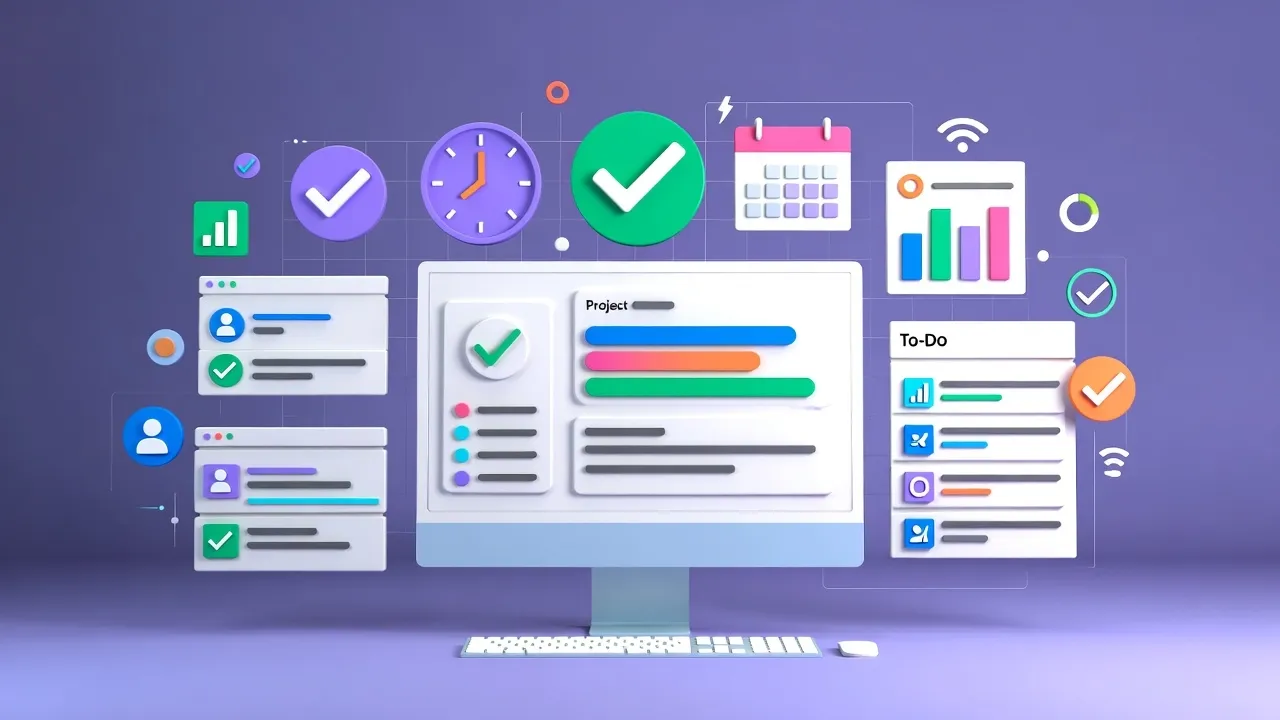
The Science of Effective Task Management
Todo trackers serve as external memory systems that reduce cognitive load while ensuring important tasks receive appropriate attention. Research in cognitive psychology shows that effective task management systems improve focus, reduce stress, and increase achievement rates by providing clear structure and progress visualization.
Our Todo Tracker implements evidence-based productivity principles with intuitive interfaces that support various task management methodologies and personal workflow preferences.
Core Task Management Principles
Effective todo tracking relies on fundamental principles that maximize productivity while maintaining sustainable work habits:
The Capture and Clarify Process
Task Processing Workflow:
- Capture Everything: Record all tasks, ideas, and commitments immediately
- Clarify Actions: Define specific, actionable next steps for each item
- Organize by Context: Group tasks by location, energy level, or resources needed
- Reflect Regularly: Review and update your system consistently
- Engage Confidently: Execute tasks with clear priorities and deadlines
Priority Matrix Systems
Effective prioritization distinguishes urgent tasks from important ones, ensuring focus on activities that drive meaningful progress toward goals rather than just addressing immediate pressures.
Urgent & Important
Important & Not Urgent
Productivity Secret
High-performers spend 60-70% of their time on Important/Not Urgent tasks, which prevents crises and builds long-term success while reducing stress and reactive work patterns.
Advanced Task Organization Strategies
Beyond basic lists, sophisticated organization strategies enhance productivity through context-aware task grouping and workflow optimization:
Context-Based Task Grouping
Organizational Context Categories:
- @Computer: Tasks requiring specific software or online access
- @Phone: Calls, voice messages, and phone-based communications
- @Errands: Location-specific tasks outside the office
- @Home: Personal tasks and household responsibilities
- @Waiting: Tasks dependent on others' actions or responses
- @Energy-High: Complex tasks requiring peak mental performance
- @Energy-Low: Administrative tasks suitable for low-energy periods
Time Blocking Integration
Combine task tracking with calendar management by assigning specific time blocks to task categories. This approach ensures important work receives dedicated attention while preventing overcommitment and schedule conflicts.
Project Hierarchy Management
Organize tasks within broader project contexts, maintaining clear connections between individual actions and larger objectives. This hierarchy provides motivation and ensures tactical work supports strategic goals.
Popular Productivity Methodologies
Various productivity frameworks can be implemented through todo tracking systems, each offering unique advantages for different work styles and objectives:
Getting Things Done (GTD)
GTD focuses on capturing all commitments in trusted systems, clarifying actionable steps, and organizing by context. This methodology reduces mental clutter while ensuring nothing falls through the cracks.
Pomodoro Technique Integration
Pomodoro Task Management:
- Task Selection: Choose one task from your priority list
- Time Boxing: Work for 25 minutes with complete focus
- Break Period: Take 5-minute breaks between sessions
- Progress Tracking: Record completed pomodoros per task
- Estimation Improvement: Use historical data for better planning
Kanban Workflow Visualization
Organize tasks in visual columns representing workflow stages: To Do, In Progress, Waiting, and Done. This approach provides clear status visibility and identifies bottlenecks in personal or team workflows.
Methodology Selection
Choose productivity methodologies based on your work style, not popular trends. Experiment with different approaches and adapt elements that genuinely improve your specific workflow and objectives.
Goal Tracking and Progress Measurement
Effective todo tracking connects daily tasks to larger goals, providing motivation and ensuring consistent progress toward meaningful objectives:
SMART Goal Integration
Break down Specific, Measurable, Achievable, Relevant, Time-bound goals into actionable tasks. Each task should clearly contribute to goal achievement while maintaining realistic scope and deadlines.
Progress Metrics and Analytics
Productivity Measurement Indicators:
- Completion Rate: Percentage of planned tasks finished daily/weekly
- Priority Alignment: Time spent on high-priority vs. low-priority activities
- Goal Contribution: Tasks directly supporting strategic objectives
- Time Estimation Accuracy: Planned vs. actual time for task completion
- Workflow Efficiency: Bottlenecks and improvement opportunities
- Stress Indicators: Overcommitment patterns and workload balance
Habit Formation Through Task Tracking
Use recurring tasks to build positive habits and eliminate negative ones. Track streak counters, completion patterns, and environmental factors that influence habit consistency.
Technology Integration and Workflow Automation
Modern todo trackers integrate with various productivity tools to create seamless workflows that reduce manual overhead while improving organization:
Calendar and Schedule Integration
Synchronize tasks with calendar applications to ensure realistic scheduling, deadline awareness, and proper time allocation for important work. Automated reminders prevent missed deadlines and overcommitment.
Communication Platform Connections
Workflow Integration Examples:
- Email Integration: Convert emails to tasks automatically
- Team Collaboration: Shared project tasks and status updates
- File Management: Attach documents and resources to specific tasks
- Note-Taking Systems: Link reference materials and meeting notes
- Communication Tools: Create tasks from chat messages and discussions
- Voice Assistants: Add tasks through voice commands
Data Backup and Synchronization
Ensure task data remains accessible across devices and protected against loss through cloud synchronization, regular backups, and export capabilities that maintain productivity continuity.
Enhance your productivity system with complementary tools: Daily Planner for schedule organization, Age Calculator for deadline planning, and Percentage Calculator for progress tracking.
Team Collaboration and Shared Task Management
Todo tracking extends beyond individual productivity to support team coordination and collaborative project management:
Delegation and Assignment Systems
Effective task delegation involves clear communication of expectations, deadlines, resources, and success criteria. Track delegated tasks to ensure accountability without micromanagement.
Status Communication and Updates
Team Coordination Features:
- Progress Visibility: Real-time status updates for shared tasks
- Dependency Management: Track task relationships and prerequisites
- Resource Allocation: Coordinate shared tools and materials
- Workload Balance: Distribute tasks based on capacity and skills
- Communication History: Maintain context and decision records
- Milestone Tracking: Coordinate major project checkpoints
Conflict Resolution and Priority Negotiation
When team members have competing priorities, transparent task tracking systems provide objective data for priority negotiations and resource allocation decisions that optimize overall team performance.
Common Pitfalls and Best Practices
Avoid common todo tracking mistakes that reduce effectiveness and create system abandonment:
Overcomplication and System Bloat
Start with simple systems and add complexity only when clear benefits justify additional overhead. Complex systems often get abandoned when they require more maintenance effort than productivity benefit.
Perfectionist Paralysis
System Sustainability Guidelines:
- Start Simple: Begin with basic lists and evolve gradually
- Consistent Review: Weekly system assessment and adjustment
- Flexibility Focus: Adapt system to changing needs and contexts
- Action Orientation: Prioritize doing over perfect organization
- Regular Cleanup: Archive completed items and obsolete tasks
- Energy Management: Match task energy requirements to personal rhythms
Productivity Excellence
The best todo system is the one you actually use consistently. Focus on simplicity, clear actions, and regular review rather than perfect categorization or complex automation.
Frequently Asked Questions
Table of Contents
Quick Tips
- Limit daily tasks to 3-5 major items for focus
- Use the Eisenhower Matrix for priority decisions
- Organize tasks by context and energy levels
- Review and update your system weekly
- Start simple and add complexity gradually
- Connect daily tasks to larger goals