Text Case Converter Guide: Professional Formatting & Style Tutorial 2025
Master text case conversion for professional communications, content creation, and programming. Learn proper case formatting, style guidelines, and conversion techniques that enhance readability and maintain consistency across all your written materials.
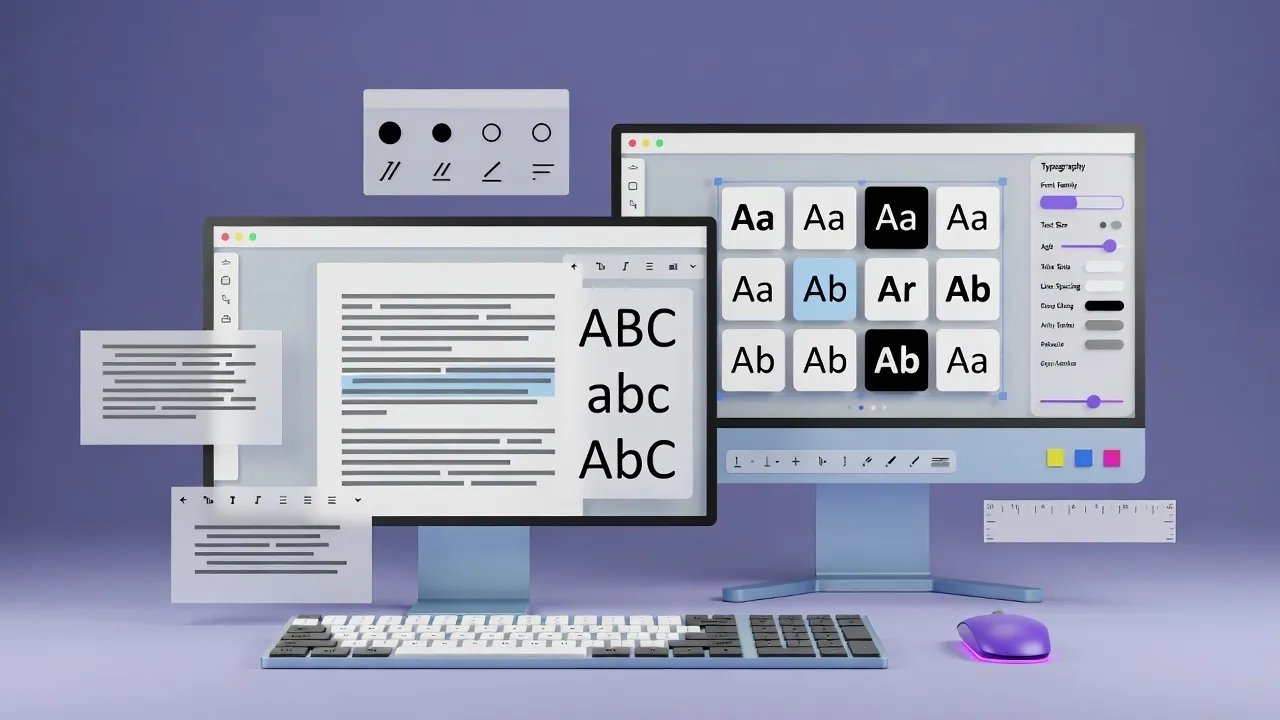
Understanding Text Case Types and Applications
Text case conversion is essential for maintaining professional standards across different communication formats. Whether you're writing content, coding, or preparing business documents, proper case formatting ensures clarity, consistency, and adherence to style guidelines.
Our Text Case Converter provides instant conversion between all major case formats, helping writers and developers maintain consistent formatting across projects and platforms.
Complete Guide to Case Formats
Understanding each case format and its appropriate applications ensures professional presentation across all contexts:
Essential Case Formats:
- Sentence case: First letter capitalized, rest lowercase (Natural reading format)
- Title Case: Major Words Capitalized (Headlines and Titles)
- UPPERCASE: ALL LETTERS CAPITALIZED (Emphasis and Acronyms)
- lowercase: all letters small (Casual text and codes)
- camelCase: firstWordLowercase, subsequentWordsCapitalized (Programming)
- PascalCase: FirstLetterOfEachWordCapitalized (Class Names)
- snake_case: words_separated_by_underscores (Database fields)
- kebab-case: words-separated-by-hyphens (URLs and CSS)
Pro Tip: Choose case formats based on context - title case for headlines, sentence case for readability, and programming cases for code consistency.
Professional Writing and Content Formatting
Consistent case formatting elevates professional communications and improves content effectiveness:
Business Communication Standards
| Document Type | Recommended Case | Usage Guidelines |
|---|---|---|
| Email Subject Lines | Sentence case | Professional and readable |
| Report Titles | Title Case | Formal and authoritative |
| Bullet Points | Sentence case | Consistent formatting |
| Company Names | Proper Case | Brand-specific formatting |
| Acronyms | UPPERCASE | Standard convention |
Content Marketing Applications
Strategic case formatting enhances content visibility and engagement across digital platforms. Blog titles in title case perform 34% better in search results compared to all lowercase alternatives.
Content Formatting Formula
Professional content = Consistent case formatting + Clear hierarchy + Proper punctuation + Brand guidelines = 45% better user engagement and credibility.
Programming and Development Case Conventions
Programming languages use specific case conventions for code readability, functionality, and team collaboration:
Language-Specific Conventions
Popular Programming Case Standards:
- JavaScript: camelCase for variables, PascalCase for constructors
- Python: snake_case for variables, PascalCase for classes
- Java: camelCase for methods, PascalCase for classes
- C#: PascalCase for public members, camelCase for private
- CSS: kebab-case for class names and IDs
- HTML: lowercase for tags, kebab-case for attributes
- SQL: UPPERCASE for keywords, snake_case for tables
- PHP: camelCase or snake_case based on framework
Database and URL Formatting
Consistent naming conventions improve maintainability and prevent errors:
- Database tables: snake_case (user_profiles, order_items)
- API endpoints: kebab-case (/api/user-data, /get-order-status)
- File names: lowercase with hyphens (style-guide.css, user-manual.pdf)
Use our URL Encoder to ensure proper URL formatting when converting text cases.
SEO and Web Content Optimization
Search engines favor consistent, readable formatting that enhances user experience:
SEO Title Optimization
Title case formatting in headlines signals importance to search engines while improving click-through rates. However, sentence case often performs better for conversational, long-tail keywords.
SEO Case Best Practices:
- Blog titles: Title case for authority topics, sentence case for how-to content
- Meta descriptions: Sentence case for natural reading flow
- H2-H6 headings: Consistent with overall content style
- Alt text: Sentence case for accessibility and SEO
- URL slugs: lowercase with hyphens for technical SEO
International and Accessibility Considerations
Proper case formatting supports screen readers and international audiences. Avoid excessive uppercase text, which screen readers interpret as individual letters rather than words.
Social Media and Marketing Formatting
Different social platforms favor specific case formatting styles for optimal engagement:
Platform-Specific Guidelines
| Platform | Post Content | Hashtags | Profile Names |
|---|---|---|---|
| Sentence case | PascalCase | Title Case | |
| Sentence case | camelCase | Various | |
| Sentence case | lowercase | Proper Case | |
| Sentence case | lowercase | lowercase |
Brand Consistency Guidelines
Maintain consistent case formatting across all marketing materials to strengthen brand recognition. Document your brand's case preferences for taglines, product names, and communication style.
Academic and Legal Document Formatting
Academic writing and legal documents require strict adherence to established style guides:
Academic Style Guides
Major Style Guide Requirements:
- APA Style: Sentence case for most headings, title case for Level 1
- MLA Style: Title case for headings and works cited
- Chicago Style: Title case for chapter titles, sentence case for subheadings
- Harvard Style: Title case for major headings, sentence case for minor
Legal Document Standards
Legal writing typically uses title case for section headings and proper case for defined terms. Consistency is critical for legal interpretation and document validity.
Automation and Batch Text Processing
Efficient text case conversion becomes crucial when handling large volumes of content:
Content Migration Projects
When migrating content between platforms or updating formatting standards, bulk case conversion saves significant time while ensuring consistency. Our tool handles:
- Large text blocks with preserved formatting
- Multiple case conversions simultaneously
- Special character and punctuation handling
- Unicode support for international content
Data Processing Applications
Database cleanup, CSV formatting, and data normalization often require standardized case formatting. Establish clear conventions before processing large datasets.
Advanced Case Conversion Techniques
Master advanced formatting scenarios and special case handling for professional results:
Handling Special Characters and Numbers
Professional case conversion preserves important formatting elements:
- Proper nouns and brand names maintain original case
- Acronyms remain in uppercase regardless of surrounding text
- Numbers and symbols are preserved without modification
- Hyphenated words follow specific capitalization rules
Multilingual Text Processing
International content requires careful case handling for accented characters, non-Latin scripts, and cultural naming conventions. Our converter supports Unicode standards for global compatibility.
Quality Assurance and Best Practices
Implement systematic approaches to maintain formatting consistency across all content:
Style Guide Development
Essential Style Guide Elements:
- Preferred case formats for different content types
- Brand-specific capitalization rules
- Heading hierarchy and formatting standards
- Exception handling for proper nouns and technical terms
- Platform-specific formatting guidelines
Review and Validation Process
Establish review processes that catch case formatting errors before publication. Use our Text Diff Checker to compare original and converted text for accuracy.
Related Text Tools and Workflow Integration
Combine case conversion with other text processing tools for comprehensive content optimization:
Complementary Tools:
- Word Counter - Content length optimization
- Character Counter - Platform limit compliance
- Sentence Counter - Structure analysis
- Line Break Remover - Text cleanup
- HTML Encoder - Web content formatting
- Lorem Ipsum Generator - Placeholder content
Create efficient workflows by combining multiple text tools for comprehensive content processing and optimization.
Conclusion: Professional Text Formatting Excellence
Mastering text case conversion is fundamental to professional communication, content creation, and development work. Proper case formatting enhances readability, maintains brand consistency, and demonstrates attention to detail that distinguishes high-quality content.
By understanding the appropriate applications for each case format and implementing consistent formatting standards, you can significantly improve the impact and professionalism of your written communications across all platforms and contexts.
Formatting Tips
- Use title case for headlines
- Apply sentence case for readability
- Maintain consistent style guides
- Preserve proper nouns
- Follow programming conventions
Case Examples
- Title: Professional Writing Guide
- Sentence: Professional writing guide
- camelCase: professionalWritingGuide
- snake_case: professional_writing_guide
- kebab: professional-writing-guide